 (+035) 527-1710-70
 google@gmail.com
 Choose an address


The CBD market has exploded in recent years, with thousands of products flooding shelves and online stores. While this gives you more options than ever, it also creates a minefield of potential mistakes that could waste your money, compromise your health, or leave you disappointed with the results.
Whether you're new to CBD or you've been using it for a while, chances are you're making at least one of these critical errors. The good news? Once you know what to look for, choosing high-quality CBD products becomes much simpler.
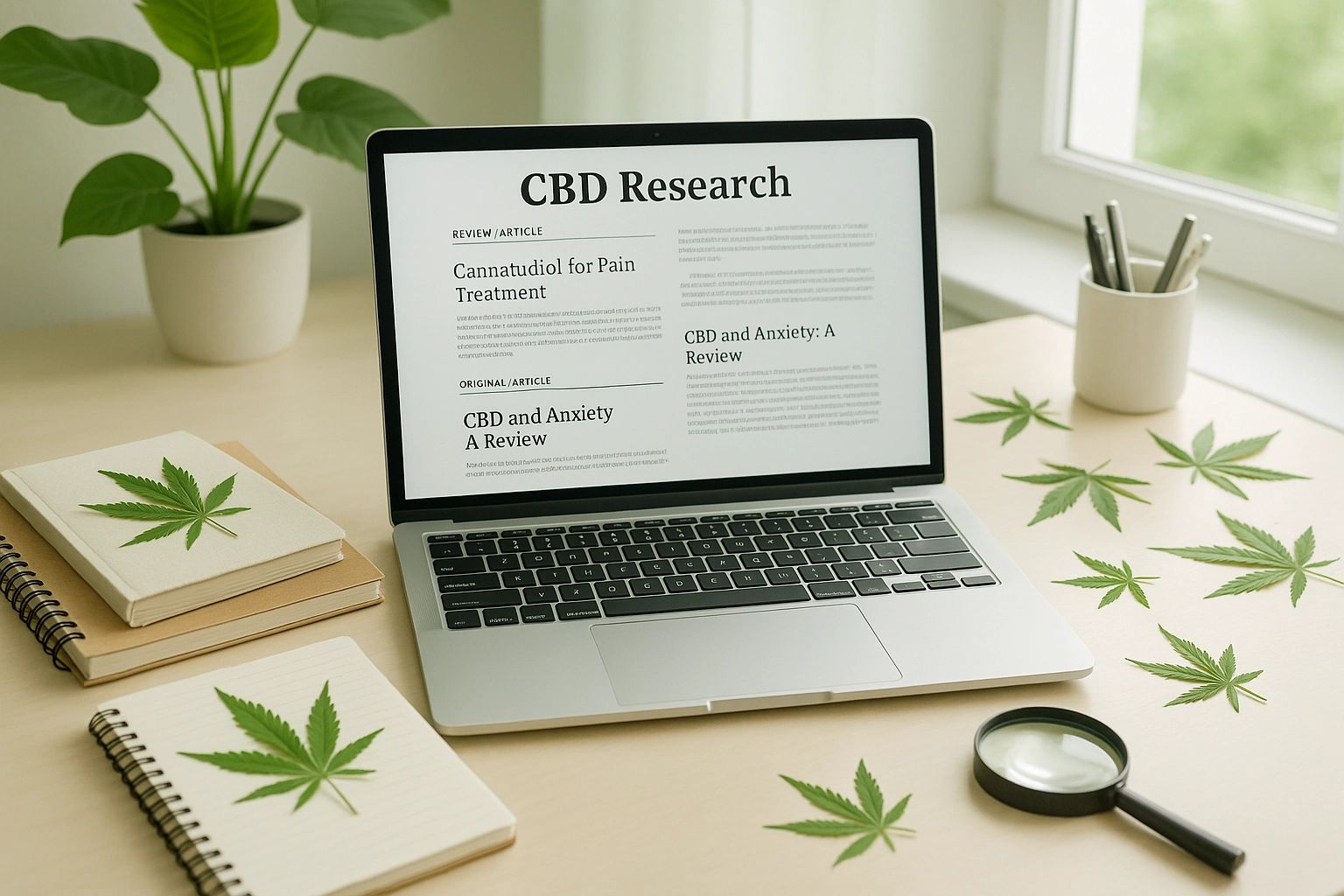
Mistake #1: Skipping Your Research Homework
We get it: you want relief fast. But diving headfirst into CBD purchases without doing your homework is like buying a car based solely on the color. The CBD industry is still largely unregulated, which means the quality and effectiveness of products can vary dramatically between brands.
Before you buy anything, take time to research different product types (oils, gummies, topicals), understand what concentrations work best for your needs, and read reviews from verified customers. This upfront investment of time will save you from costly trial-and-error purchases down the road.
What to research:
- Different CBD product formats and their absorption rates
- Recommended dosages for your specific concerns
- Brand reputation and customer feedback
- Manufacturing practices and sourcing
Mistake #2: Chasing the Cheapest Price Tag
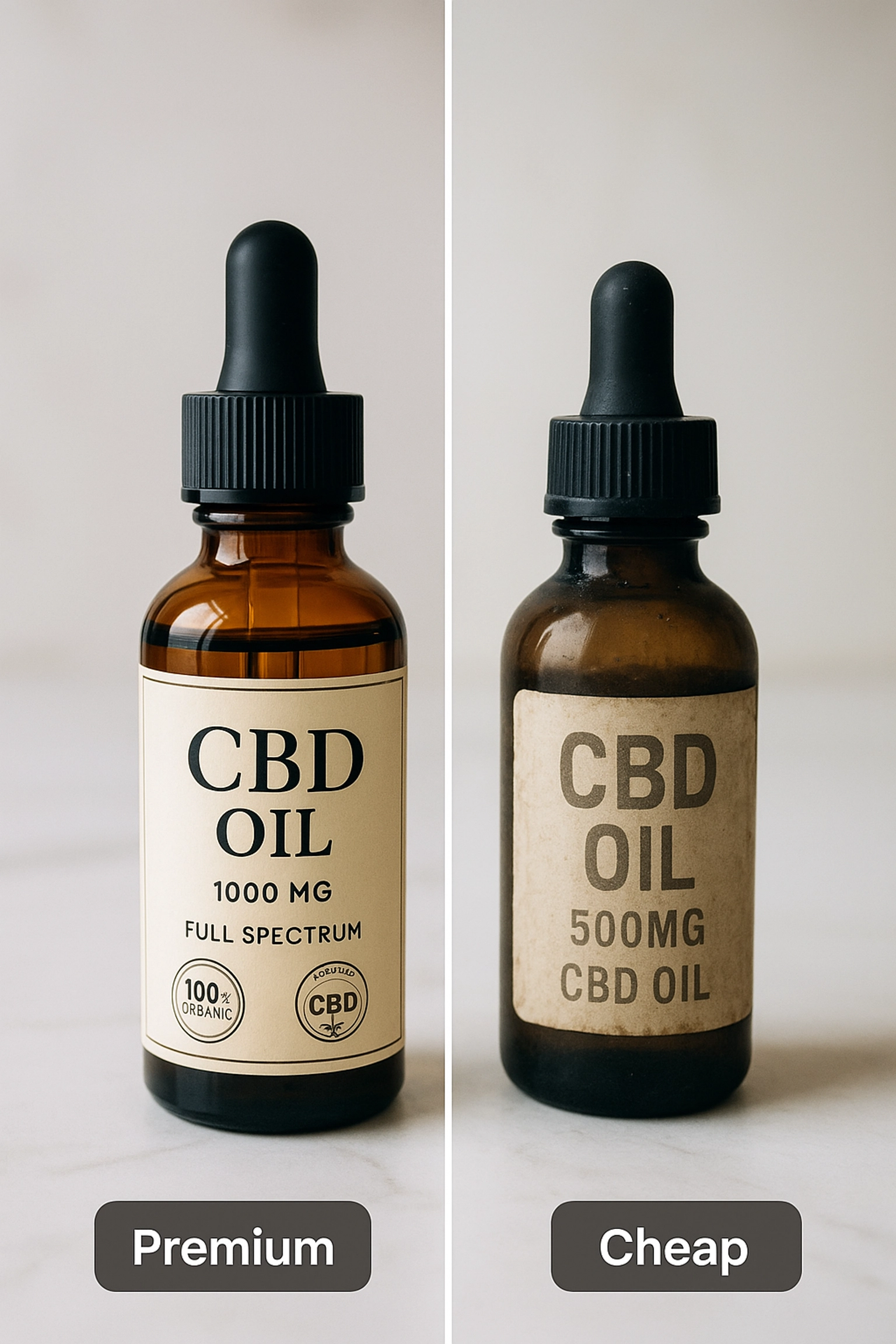
If you see CBD products that seem too good to be true price-wise, they probably are. High-quality CBD requires organic hemp, specialized extraction methods, and rigorous testing: all of which cost money.
Cheap CBD products often cut corners in ways that can be dangerous. They might use hemp grown with pesticides, employ harsh chemical extraction methods, or skip quality control testing entirely. In some cases, these products contain little to no actual CBD despite what the label claims.
This doesn't mean you need to buy the most expensive option, but be wary of products priced significantly below market average. Quality CBD typically costs between $0.05 to $0.20 per milligram.
Mistake #3: Ignoring Third-Party Lab Testing
Here's a sobering fact: studies show that up to 70% of CBD products are mislabeled or contain inaccurate amounts of CBD. Some contain harmful contaminants like heavy metals, pesticides, or residual solvents from the extraction process.
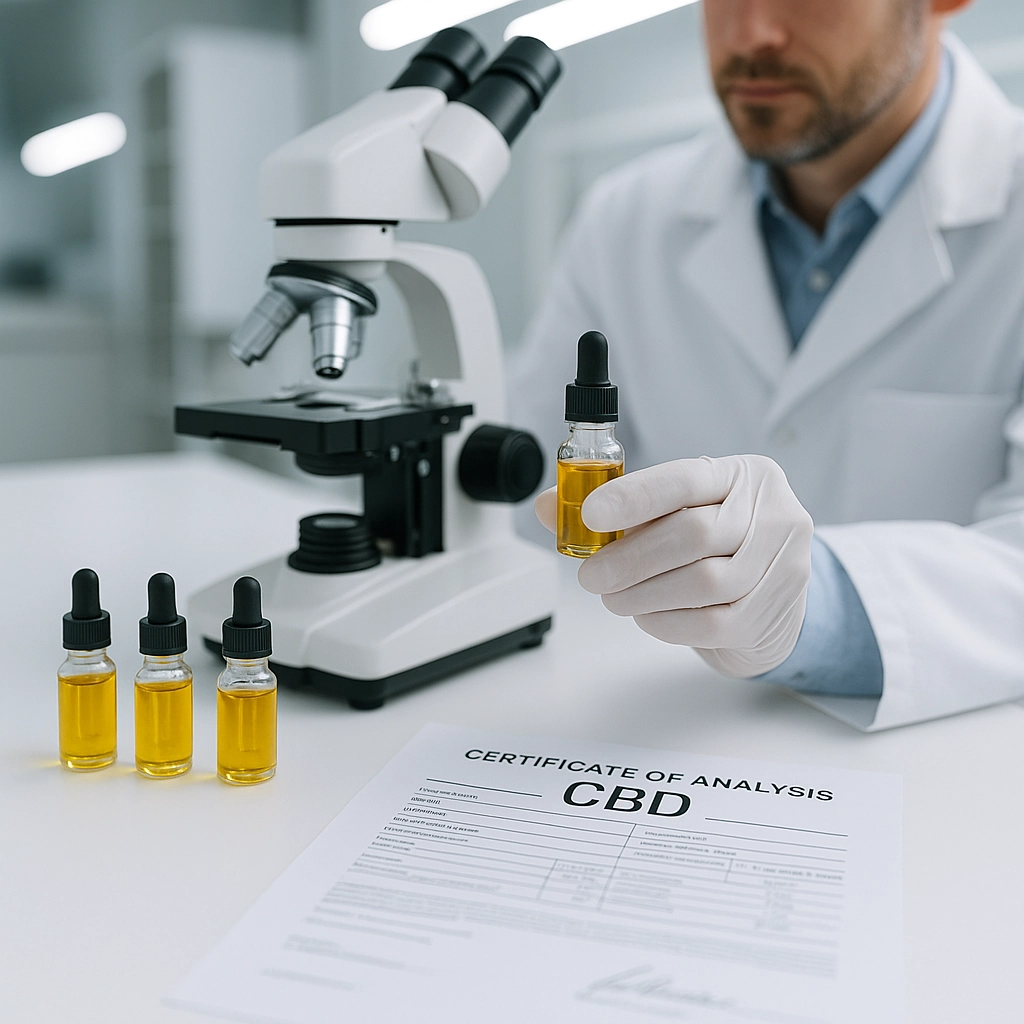
The only way to verify what you're actually getting is through third-party lab testing. Reputable companies provide Certificates of Analysis (COAs) that show exactly what's in their products: and what isn't.
Red flags to avoid:
- No COA available upon request
- COAs that are outdated or don't match the product batch
- Companies that only provide in-house testing results
- Vague or incomplete lab reports
Always ask for recent COAs before making a purchase, and don't buy from companies that can't or won't provide them.
Mistake #4: Starting with High Doses
More isn't always better with CBD. Many newcomers make the mistake of starting with high doses, thinking they'll get faster or better results. Instead, they often experience unwanted side effects or waste money on unnecessarily strong products.
The golden rule with CBD is "start low and go slow." Begin with a small dose (5-10mg) and gradually increase every few days until you find your sweet spot. This approach helps you find the minimum effective dose while avoiding side effects like drowsiness, dry mouth, or digestive issues.
Smart dosing strategy:
- Week 1: Start with 5-10mg daily
- Week 2: Increase to 15-20mg if needed
- Week 3: Continue increasing by 5-10mg increments
- Stop when you achieve desired effects
Remember, CBD affects everyone differently based on factors like body weight, metabolism, and the endocannabinoid system's individual variations.
Mistake #5: Overlooking THC Content
Even trace amounts of THC can cause issues for some people, especially if you're subject to drug testing or sensitive to psychoactive compounds. All hemp-derived CBD products should contain less than 0.3% THC by law, but some products push right up to that limit.
If you want to avoid THC entirely, look for broad-spectrum CBD or CBD isolate products. These undergo additional processing to remove THC while preserving other beneficial compounds like terpenes and minor cannabinoids.
THC content options explained:
- Full-spectrum: Contains all hemp compounds including up to 0.3% THC
- Broad-spectrum: Contains multiple compounds but zero THC
- CBD isolate: Pure CBD with all other compounds removed
Mistake #6: Misunderstanding CBD Concentration
Not all CBD products are created equal when it comes to actual potency. A 30ml bottle labeled "1000mg CBD" might sound impressive, but if you need to take a full dropper (1ml) to get 30mg of CBD, you're looking at a month's supply at best.
Pay attention to the CBD content per serving, not just the total amount in the container. For tinctures, look for products with at least 250-1000mg per ounce. For edibles, aim for products with 10-25mg of CBD per piece for effective dosing flexibility.
How to calculate actual value:
- Divide total CBD content by number of servings
- Compare cost per milligram between brands
- Consider bioavailability of different product types
Mistake #7: Not Consulting Your Healthcare Provider
This might be the most important mistake on our list. CBD is biologically active and can interact with prescription medications, particularly those that carry a grapefruit warning. It can also affect how your liver processes certain drugs.
If you take any medications or have health conditions: especially liver problems: talk to your doctor before starting CBD. They can help you understand potential interactions and determine if CBD is appropriate for your situation.
When medical consultation is especially important:
- You take prescription medications
- You have liver, kidney, or heart conditions
- You're pregnant or breastfeeding
- You have a history of substance abuse
Protecting Your Liver: Why Quality Matters
While CBD itself is generally well-tolerated, poor-quality products can pose risks to liver health. Contaminants like heavy metals, pesticides, and residual solvents can accumulate in your system and potentially stress your liver over time.
Additionally, some CBD products contain undisclosed ingredients or adulterants that could cause liver problems. This is why choosing products with verified purity through third-party testing is so crucial.
Your liver works hard to process everything you consume, so give it the best chance to function properly by choosing clean, well-tested CBD products from reputable manufacturers.
Making Smart CBD Choices Moving Forward
Avoiding these seven mistakes will dramatically improve your CBD experience while protecting your health and wallet. Remember that the CBD industry is still evolving, and regulations are becoming stricter over time: which is good news for consumers.
When you're ready to purchase CBD products, prioritize quality over price, do your research, and don't hesitate to ask questions. Reputable companies are transparent about their processes and happy to provide detailed information about their products.
The right CBD product can offer significant benefits, but only if you choose wisely. Take the time to make informed decisions, and you'll be much more likely to achieve the results you're looking for while keeping your health and safety as the top priority.
By avoiding these common pitfalls, you're well on your way to finding CBD products that are both effective and safe. Your future self: and your liver: will thank you for taking the extra care to choose quality products from the start.