 (+035) 527-1710-70
 google@gmail.com
 Choose an address


If you're shopping for CBD products, you've probably noticed that some brands proudly display "third-party tested" on their labels while others don't mention testing at all. This isn't just marketing fluff: third-party testing represents one of the most critical factors in ensuring you get a safe, effective CBD product that actually contains what's on the label.
With the CBD market expanding rapidly and regulations still catching up, understanding how to identify properly tested products has become essential for anyone seeking reliable results. Let's dive into everything you need to know about third-party testing and how to use this knowledge to make smarter purchasing decisions.
What Is Third-Party Testing and Why Does It Matter?
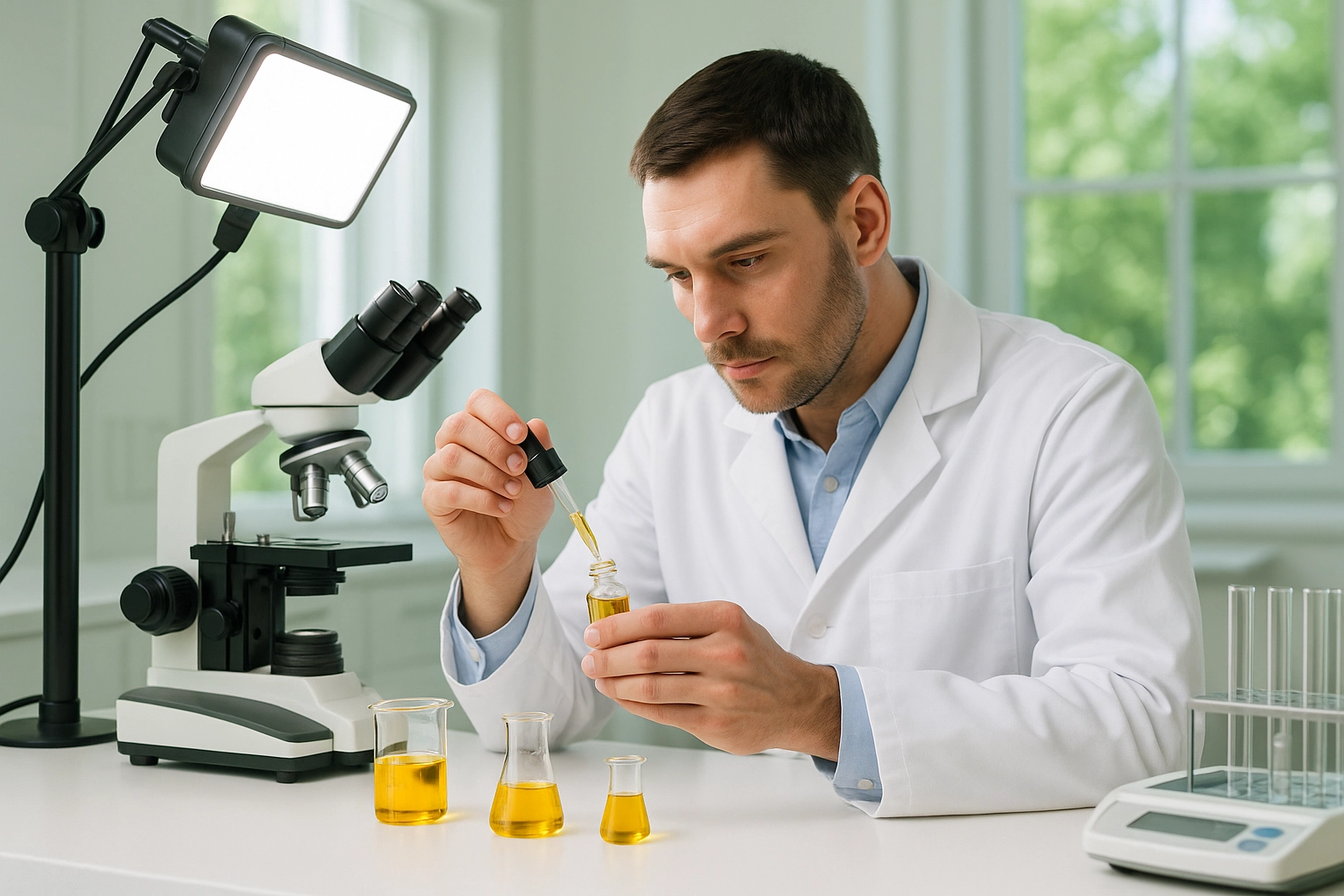
Third-party testing involves independent laboratories that have no financial relationship with CBD companies analyzing products to provide completely impartial reports. These labs examine what's actually in each product batch, testing for potency, purity, and safety without any bias toward making the results look better than they are.
Think of it like having an independent inspector check a used car before you buy it. Just as you wouldn't trust only the seller's word about the car's condition, you shouldn't rely solely on a CBD company's claims about their products' contents and quality.
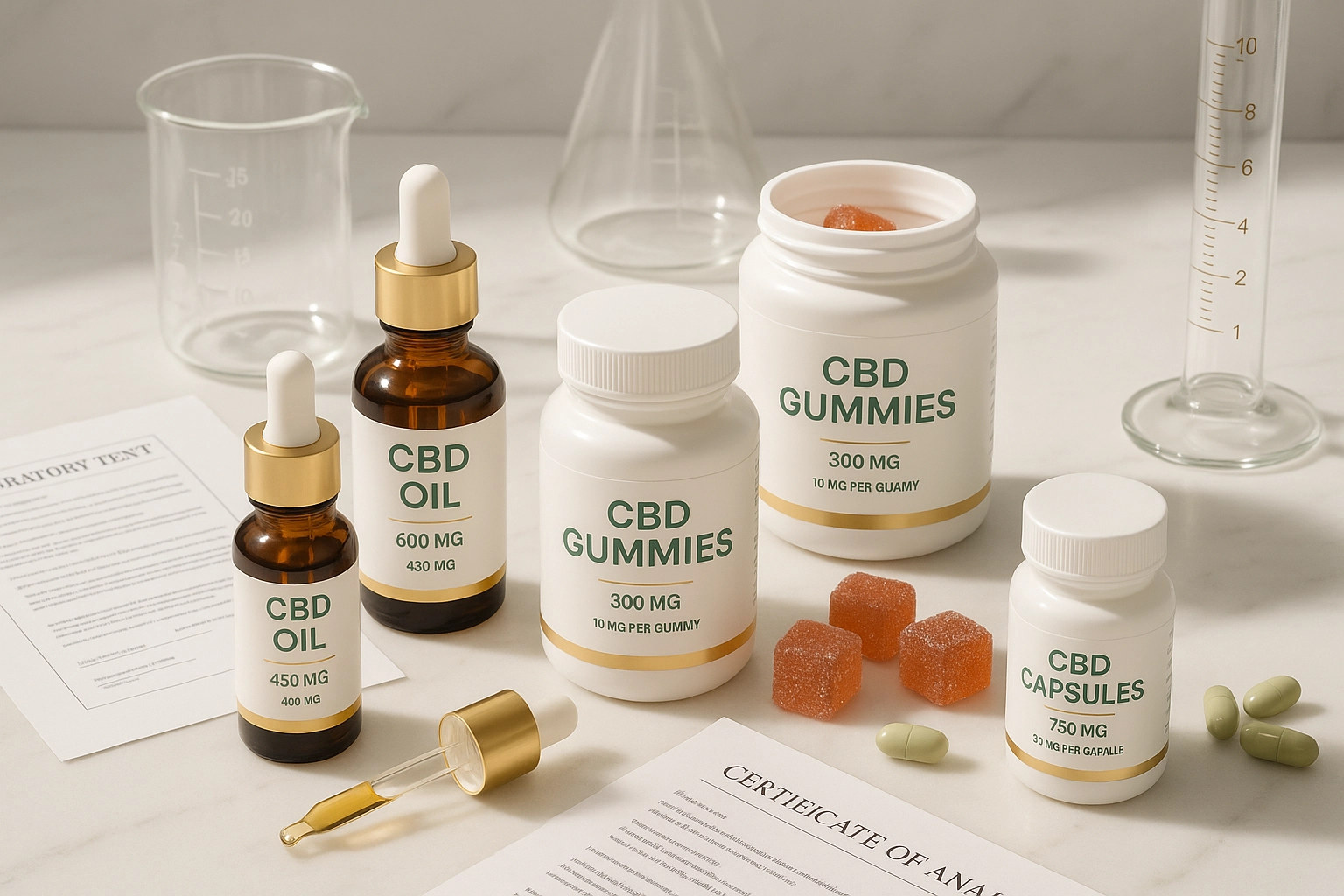
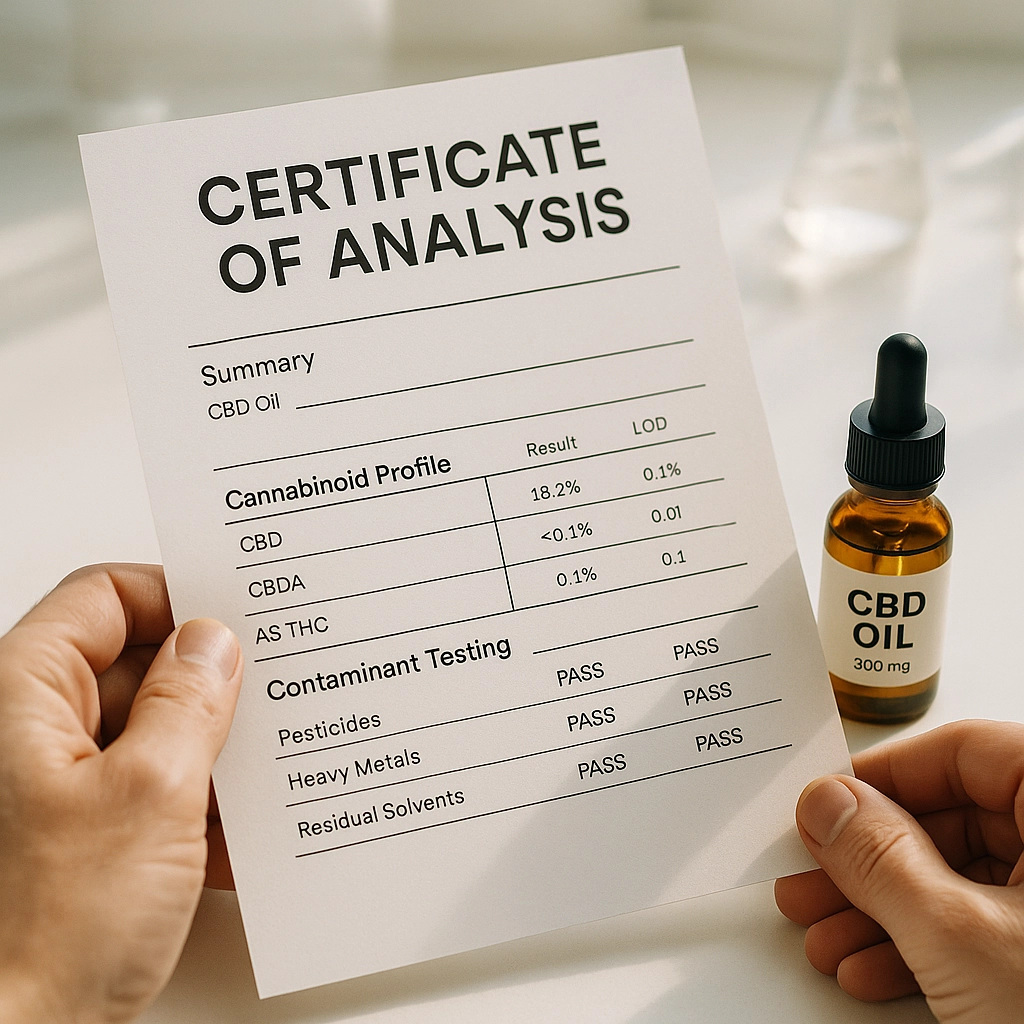
The testing process produces a certificate of analysis (COA): essentially a detailed report card that lists all the active ingredients and any contaminants detected in the product. This scientific verification serves as your protection in an industry where not all brands test their products despite making bold claims about purity and potency.
What Third-Party Testing Actually Reveals
CBD Content Verification
One of the most important aspects of testing is confirming that products contain the amount of CBD stated on the label. You might be surprised to learn that some products contain significantly less CBD than advertised: or sometimes none at all. Testing ensures you're getting the dosage you're paying for and expecting.
THC Level Compliance
Federal law requires hemp-derived CBD products to contain no more than 0.3% THC. Third-party testing verifies that products stay below this legal threshold, which is crucial for maintaining the product's legal status and preventing unwanted psychoactive effects. This is especially important if you're subject to drug testing at work.
Contaminant Detection
Perhaps most critically, independent labs screen for various contaminants that could pose serious health risks. These include:
- Pesticides: Chemicals used during cultivation that shouldn't end up in your final product
- Heavy metals: Like lead, mercury, and cadmium that can accumulate in hemp plants
- Residual solvents: Leftover chemicals from extraction processes
- Microbials: Bacteria, yeast, and mold that could cause illness
This comprehensive screening helps ensure products are free from harmful substances that could have been introduced anywhere from the farm to your shelf.
How to Identify Properly Tested Products
Look for Easily Accessible Lab Results
Reputable CBD companies make their lab results readily available: usually on their website or through QR codes on product packaging. If you have to hunt for test results or they're nowhere to be found, that's a major red flag. Quality brands are proud of their testing and want you to see the results.
Check for Batch-Specific Testing
The best companies test every batch they produce, not just once when they develop a product. Look for COAs that match the batch number on your specific product. This ensures the results you're seeing actually apply to what you're buying.
Examine Complete Product Labeling
High-quality CBD products should include comprehensive labeling with:
- Manufacturer's name and contact information
- Complete ingredient list (active and inactive)
- Product quantity and serving size
- Batch or lot numbers
- Production and expiration dates
- Storage instructions
- Any warnings or contraindications
If basic information is missing, it's likely that proper testing protocols aren't being followed either.
Understanding Certificates of Analysis
When you find a COA, here's what to look for:
Recent Testing Dates: Results should be relatively recent, ideally within the last 6-12 months. Old results don't reflect current product quality.
Comprehensive Panel: A thorough COA tests for cannabinoid content, pesticides, heavy metals, residual solvents, and microbials. If any of these categories are missing, the testing isn't complete.
Clear Pass/Fail Results: Contaminant testing should show clear "pass" or "not detected" results. Any detected contaminants should be well below safety thresholds.
Laboratory Information: The COA should identify the testing laboratory and include their contact information. Reputable labs stand behind their work.
The Current State of Industry Testing
The CBD industry's commitment to testing has grown significantly in recent years. What started as a handful of transparent brands has expanded to include hundreds of companies that voluntarily test their products beyond basic regulatory requirements.
However, the reality is that testing beyond baseline FDA Good Manufacturing Practices remains largely voluntary. This means some brands skip testing due to time and cost considerations, leaving consumers to navigate a mixed marketplace where quality varies dramatically.
The good news is that consumer demand for transparency continues to drive industry standards higher. More brands are adopting comprehensive testing protocols as educated consumers increasingly refuse to buy untested products.
Safety Considerations and Potential Benefits
FDA Regulation Status
Currently, only one CBD product has received full FDA approval: Epidiolex, a prescription medication for severe seizure disorders. This doesn't mean other CBD products are unsafe, but it highlights the importance of choosing well-tested products since most CBD items aren't subject to strict pharmaceutical oversight.
Potential Health Interactions
CBD can interact with other medications and may not be suitable for everyone, particularly pregnant individuals or those with liver problems. Different CBD formats: oils, gummies, topicals, and vape products: work differently in your body and carry distinct benefits and considerations.
Research-Backed Benefits
Studies suggest CBD may offer benefits for various conditions, including anxiety, sleep issues, and inflammation. Research on anxiety shows particularly promising results, with some studies reporting 60-70% symptom reduction in people with moderate to severe anxiety after consistent use.
Making Smart Purchasing Decisions
Start with Your Research
Before buying any CBD product, spend a few minutes researching the brand. Check their website for easily accessible lab results, read customer reviews, and verify they provide comprehensive product information.
Consider Your Needs
Think about why you're interested in CBD and choose products designed for your specific goals. Different formats work better for different purposes: topicals for localized issues, oils for general wellness, and gummies for convenience.
Consult Healthcare Professionals
If you have existing health conditions or take medications, discuss CBD use with your healthcare provider. They can help you understand potential interactions and determine whether CBD is appropriate for your situation.
Start Low and Go Slow
When trying a new CBD product, start with a lower dose than recommended and gradually increase until you find what works for you. This approach helps you gauge your individual response while minimizing potential side effects.
Your Path to Quality CBD Products
Third-party testing isn't just a nice-to-have feature: it's an essential safeguard that protects your health and ensures you get what you pay for. By prioritizing properly tested products from transparent companies, you're investing in both safety and effectiveness.
The CBD market will continue evolving, but your commitment to choosing tested products helps drive the entire industry toward higher standards. Every time you choose a third-party tested product over an untested alternative, you're voting for transparency and quality.
Ready to explore high-quality, third-party tested CBD products? Visit Hemp Farmers of America to discover our carefully curated selection of lab-verified products, complete with easily accessible certificates of analysis for every batch we produce.