 (+035) 527-1710-70
 google@gmail.com
 Choose an address


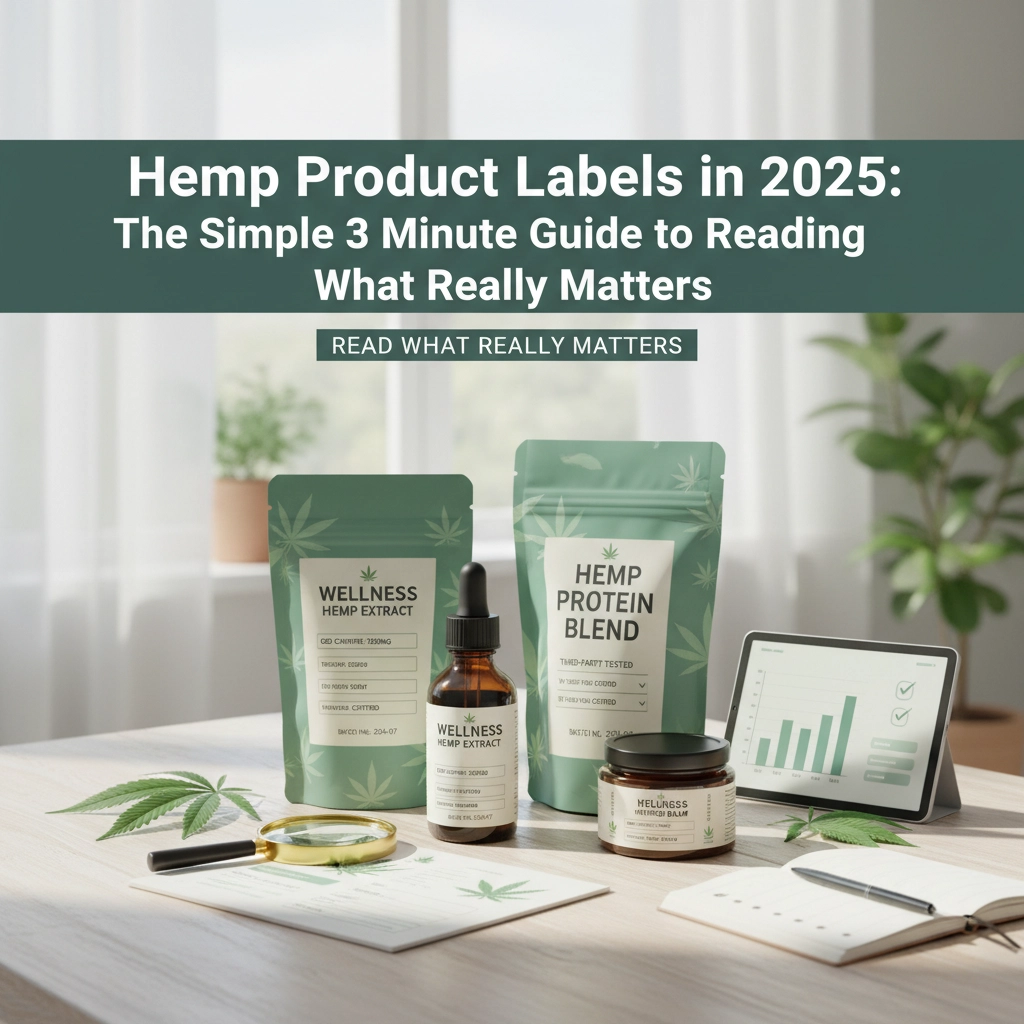
Walking into a hemp dispensary or shopping online for CBD products can feel overwhelming when you're faced with labels covered in numbers, symbols, and technical terms. But here's the thing – you don't need a chemistry degree to understand what matters most on hemp product labels in 2025.
With new regulations rolling out and states updating their requirements, knowing how to quickly decode these labels protects your wallet, your health, and keeps you on the right side of the law. Let's break down exactly what you need to look for in just three minutes.
Start Here: The Big Three Numbers
Every hemp product label has three critical pieces of information that should catch your eye first. These numbers tell you exactly what you're getting and help you avoid any unwelcome surprises.
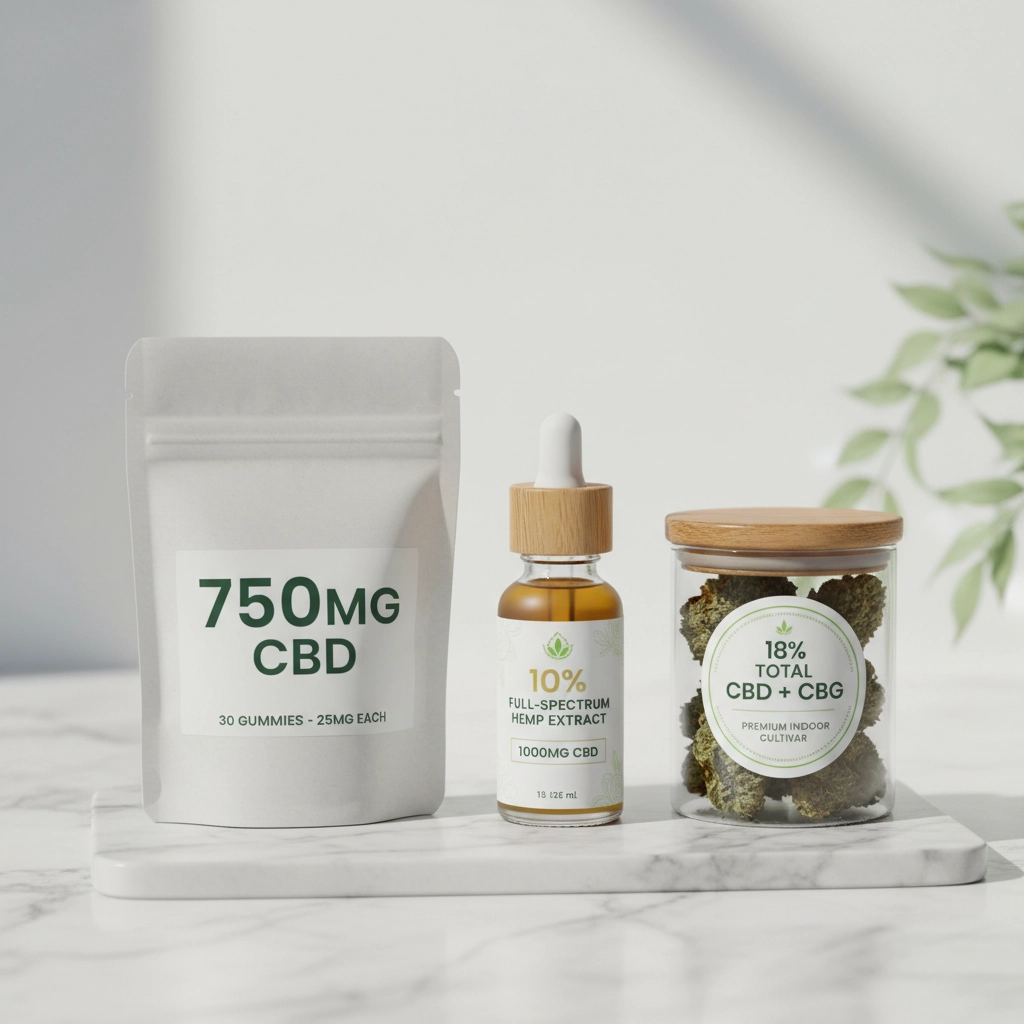
Total THC Content appears as milligrams per serving and per entire container. For edibles, you'll see something like "5mg THC per gummy, 100mg total." For vape products and flower, this shows up as percentages. This number determines whether the product will get you high and how intensely.
CBD Levels follow the same format – milligrams for edibles and topicals, percentages for smokable products. Higher CBD doesn't always mean better, but it does affect how the product will make you feel and what therapeutic benefits you might experience.
Serving Information might be the most important number you'll see. It tells you how much of the product equals one dose. Many people skip this step and accidentally take way more than intended. A chocolate bar might contain 10 servings, not one.
Symbols That Matter More Than You Think
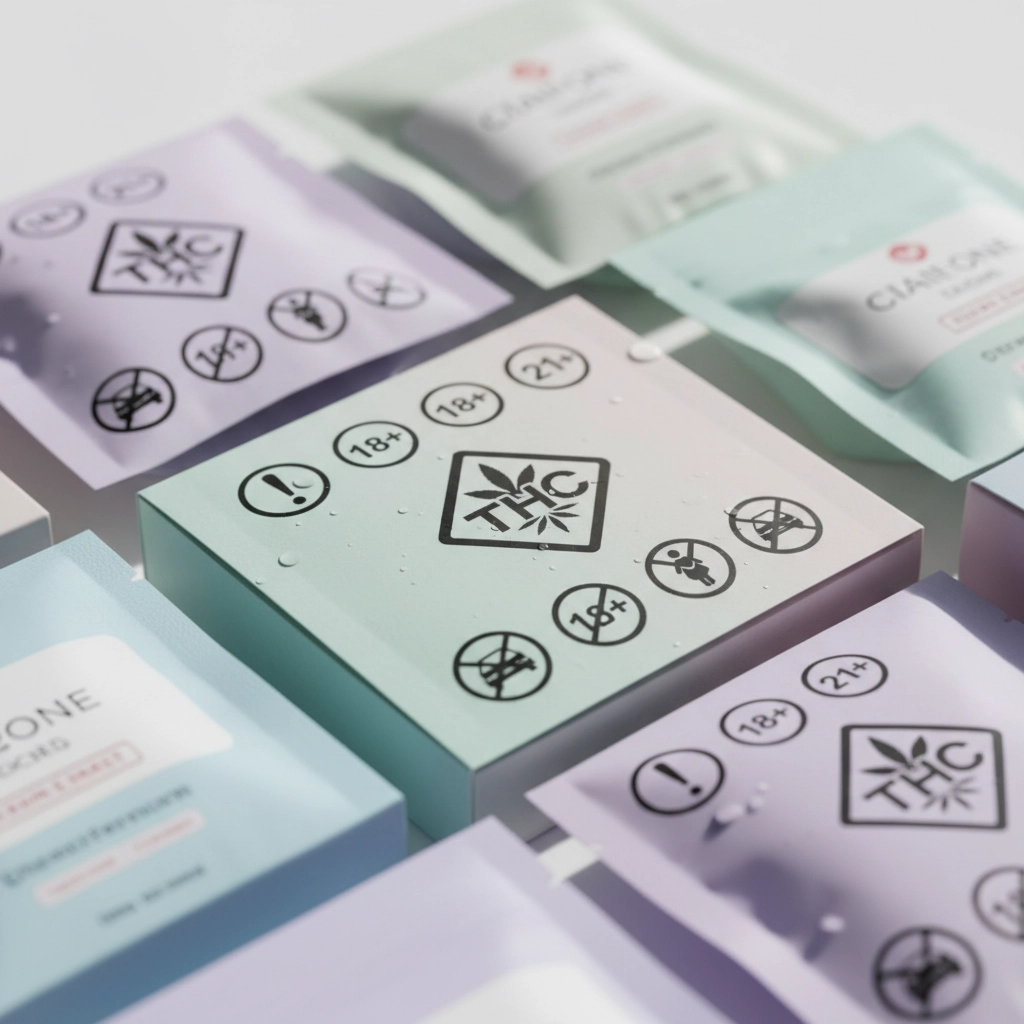
Hemp product labels in 2025 use specific symbols that act like road signs – they're there to keep you safe and informed. Learning these visual cues can save you from reading through paragraphs of fine print.
The Universal THC Symbol looks like a diamond with THC written inside, often in red or orange. If you see this symbol, the product contains enough THC to potentially cause intoxication. Products without this symbol should contain less than 0.3% THC and won't get you high.
Age Restriction Symbols typically show "21+" prominently displayed. Even if you're buying legal hemp products, age verification requirements vary by state. Some products require you to be 18, others 21.
Warning Icons include pregnancy warnings, driving warnings, and keep-away-from-children symbols. These aren't just legal requirements – they're genuinely important safety information.
Dates That Could Save You Money and Trouble
Hemp products don't last forever, and using expired products can range from disappointing to potentially unsafe. Understanding the different dates on labels helps you get the most value from your purchases.
Harvest Date tells you when the hemp was actually grown and collected. Fresher isn't always better, but it gives you an idea of how long the product has been in the supply chain. Hemp that's over two years old from harvest might have lost some potency.
Packaging Date shows when the product was sealed and prepared for sale. This date is often more relevant than harvest date for determining freshness, especially for edibles and topicals.
Expiration or Best-By Dates are absolutely critical for edibles. Unlike flower products that slowly lose potency, edible products can actually become unsafe to consume after their expiration date. Don't ignore these dates.
Product-Specific Label Requirements
Different types of hemp products have unique labeling requirements based on how you use them. Knowing what to expect for each category helps you shop more confidently.
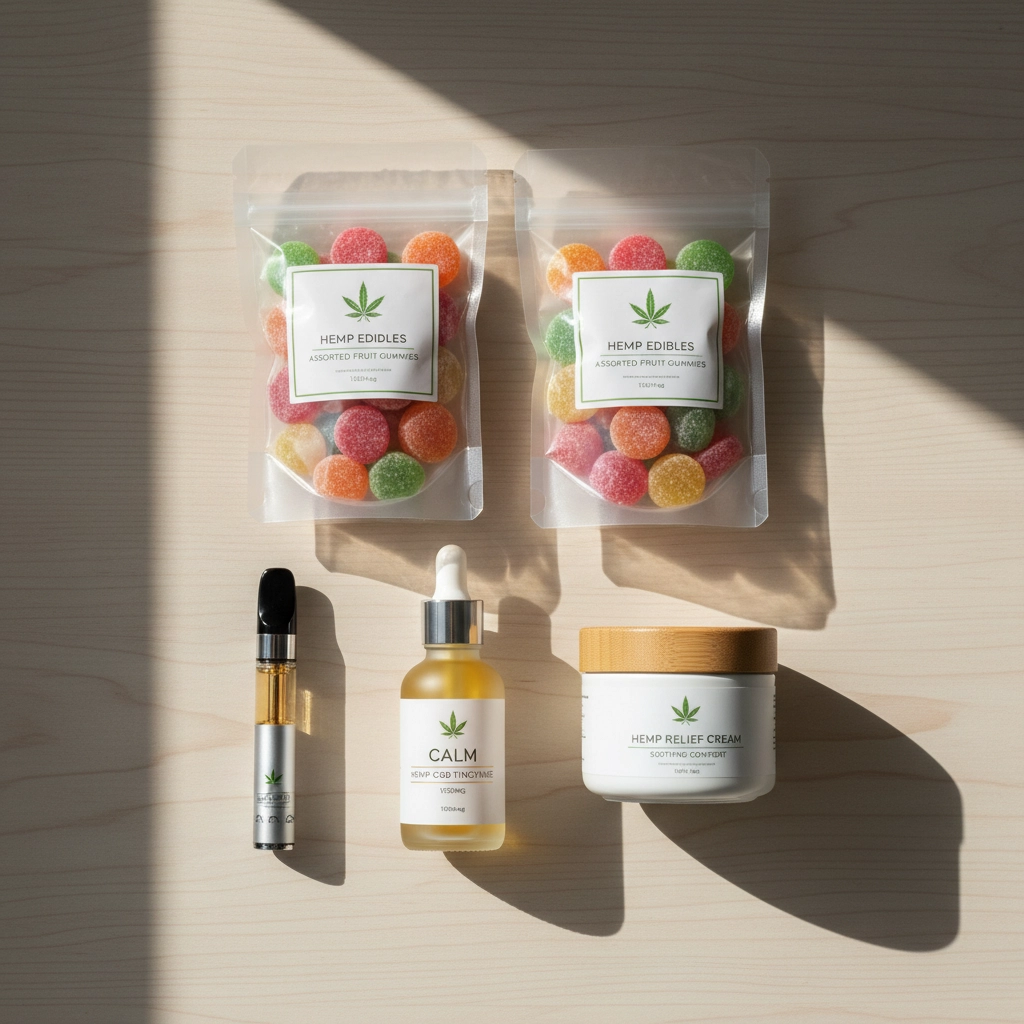
Edible Products must include timing warnings like "Effects may be delayed up to 4 hours." This warning exists because too many people eat more when they don't feel effects immediately. Edible labels also specify whether the product needs refrigeration and include detailed ingredient lists for allergy considerations.
Topical Products show potency as total milligrams in the entire container since you're not consuming specific "servings." These labels must include expiration dates and often specify the type of carrier oils or other ingredients that affect absorption.
Vape and Smoking Products display potency as percentages and must specify whether they're designed for smoking, vaporizing, or both. Many also include information about the extraction method used and the specific hemp strain.
Tinctures and Oils typically show concentration per milliliter or per dropper full. Pay attention to whether the numbers refer to a single drop, a dropper, or the entire bottle.
Lab Results: Your Quality Assurance
Modern hemp product labels include ways to access detailed lab results, usually through QR codes or website links. These Certificates of Analysis (CoAs) provide transparency about what's really in your product.
Cannabinoid Profiles break down not just THC and CBD, but other compounds like CBG, CBN, and CBC. This information helps you understand the full effects you might experience.
Safety Testing Results show whether the product passed tests for pesticides, heavy metals, microbials, and residual solvents. Products that failed initial testing but were later decontaminated must carry special warning labels starting in 2025.
Batch Numbers connect your specific product to these test results. Keep these numbers handy in case you need to reference them later or if there's ever a recall.
Red Flags to Watch For
Some label features should make you pause and think twice before purchasing. These red flags don't necessarily mean the product is dangerous, but they might indicate quality issues or regulatory non-compliance.
Missing Contact Information is a major red flag. Every compliant hemp product must include manufacturer contact information. If you can't find a way to reach the company, consider shopping elsewhere.
Altered or Replaced Labels are illegal in most states. If you notice labels that look like they've been changed or covered up, especially dates, walk away.
Vague Potency Claims like "high potency" or "extra strength" without specific numbers should make you suspicious. Legitimate products always provide exact measurements.
Health Claims that sound too good to be true probably are. Labels can't legally claim that hemp products cure diseases or provide specific medical benefits.
Quick Label Reading Checklist
Before you buy any hemp product, run through this 30-second checklist:
- Check the THC content to know if it will get you high
- Verify the serving size to avoid taking too much
- Look for universal symbols and age restrictions
- Check expiration dates, especially for edibles
- Confirm the product type matches what you want
- Note the batch number for your records
- Verify manufacturer contact information is present
State-Specific Considerations for 2025
Hemp regulations continue evolving throughout 2025, with some states implementing transition periods and new requirements. Minnesota, for example, allows products from existing regulated supply chains through December 31, 2025. Colorado has introduced new labeling requirements for decontaminated products starting July 1, 2025.
If you travel with hemp products or shop online, research the laws in both your home state and anywhere you plan to use the products. What's legal in one state might not be legal in another, even if the products are identical.
Understanding hemp product labels doesn't require memorizing every regulation or becoming an expert in cannabis chemistry. Focus on the basics – potency, safety information, and dates – and you'll make better purchasing decisions while staying safe and legal.
The hemp industry continues maturing, and clearer labeling standards benefit everyone. As a consumer, your best strategy is staying informed about the basics and asking questions when labels aren't clear. Reputable companies want educated customers and will gladly explain their labeling.
Ready to put this knowledge to use? Check out our selection of properly labeled, compliant hemp products at Hemp Farmers of America where transparency and quality come first.