 (+035) 527-1710-70
 google@gmail.com
 Choose an address


The hemp industry has exploded in recent years, with products ranging from CBD oils to Delta-8 THC gummies flooding store shelves and online marketplaces. But recent FDA warnings paint a concerning picture of an industry where consumer safety often takes a backseat to rapid growth. If you're using or considering hemp-derived products, understanding these warnings could protect your health and help you make informed decisions.
The Reality Behind FDA Safety Concerns
Federal regulators have identified serious safety issues that many consumers don't realize exist. The FDA has made it clear that most CBD products currently on the market are not regulated, which creates a significant blind spot for consumer protection. When products lack proper oversight, you're essentially taking a gamble on what you're actually consuming.
The core issue isn't just about regulation: it's about what's actually inside these products. Studies and FDA investigations have revealed that hemp-derived products may contain THC levels higher than advertised, pesticides, heavy metals, bacteria, or fungi. These contaminants can pose serious health risks, especially for people with compromised immune systems or existing health conditions.
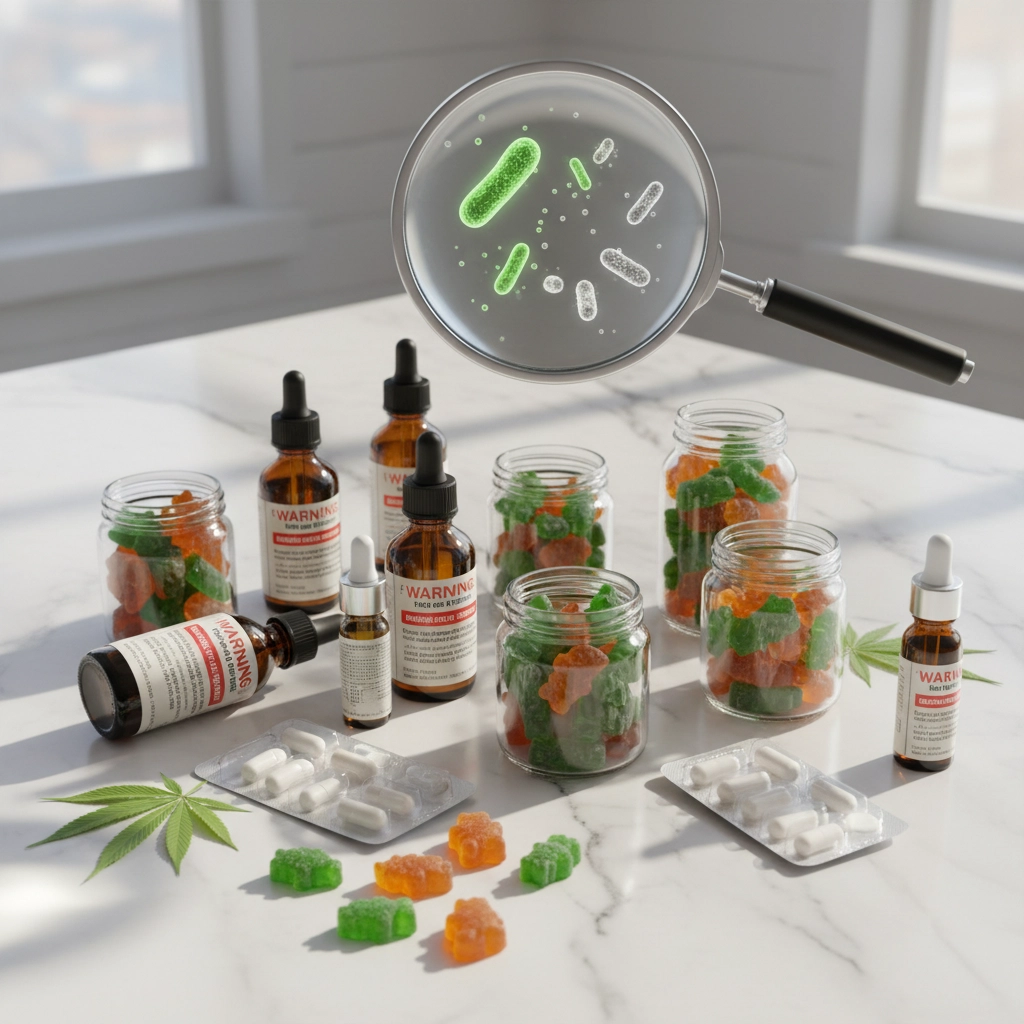
What makes this particularly troubling is that many consumers choose hemp products specifically because they believe they're getting a "natural" and "safe" alternative to traditional medications or wellness products. The reality is far more complex.
Delta-8 THC: The Synthetic Problem Nobody's Talking About
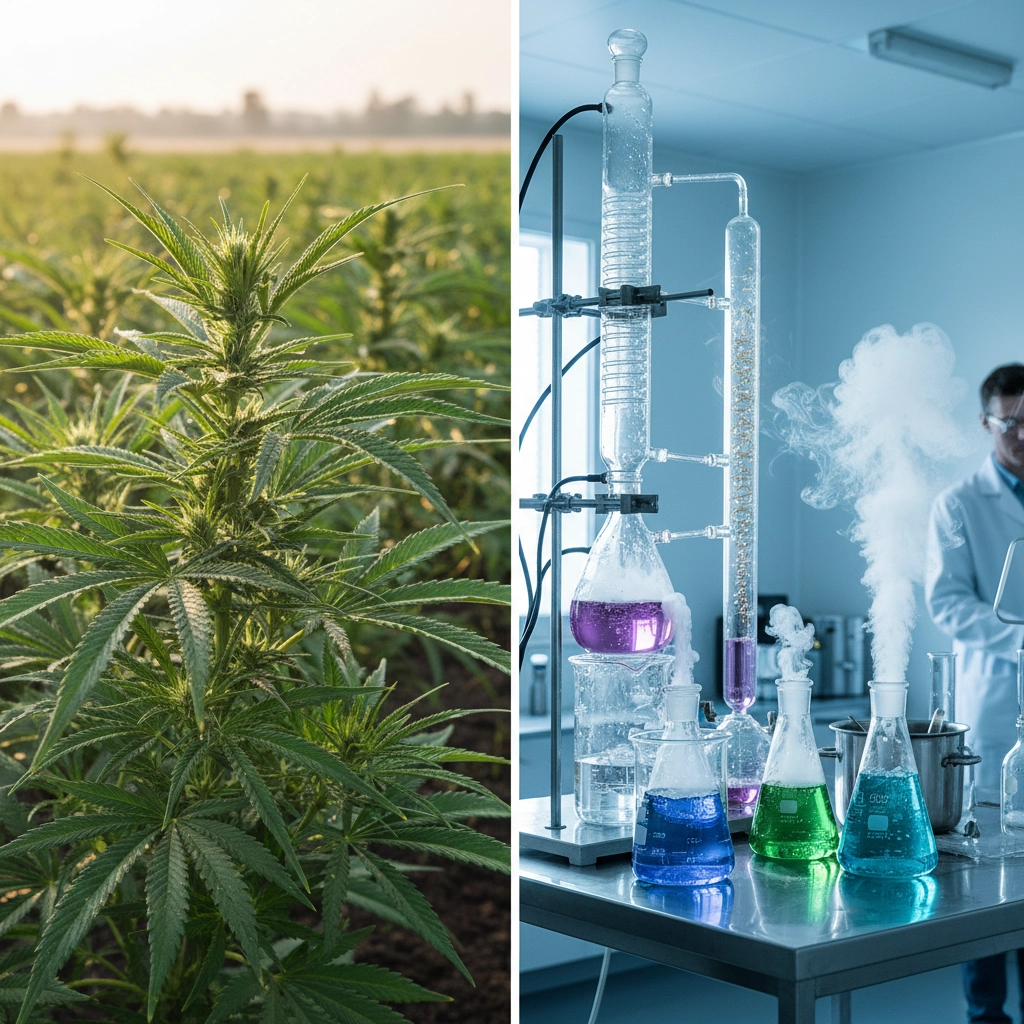
One of the most significant safety concerns involves Delta-8 THC products, which the FDA considers particularly problematic. Unlike naturally occurring cannabinoids, most Delta-8 THC on the market is created through a synthetic conversion process that transforms other cannabinoids into Delta-8 using potentially unsafe chemicals.
The FDA has received numerous reports from poison control centers nationwide regarding adverse events linked to Delta-8 THC consumption. These aren't minor side effects: we're talking about serious reactions that required medical intervention. The psychoactive and intoxicating effects of Delta-8 THC can be unexpected and dangerous, especially for first-time users who may not understand what they're consuming.
Manufacturing practices add another layer of concern. The synthetic conversion process used to create higher concentrations of Delta-8 THC can introduce unknown contaminants and chemical residues. Since this process isn't standardized or regulated, consumers have no way of knowing what additional compounds they might be ingesting.
Misleading Marketing and Consumer Deception
The FDA has specifically called out manufacturers for deceptive marketing practices that put consumers at risk. Many companies label Delta-8 THC products simply as "hemp products," which misleads consumers who associate hemp with being non-psychoactive. This kind of labeling creates dangerous situations where people unknowingly consume psychoactive substances.
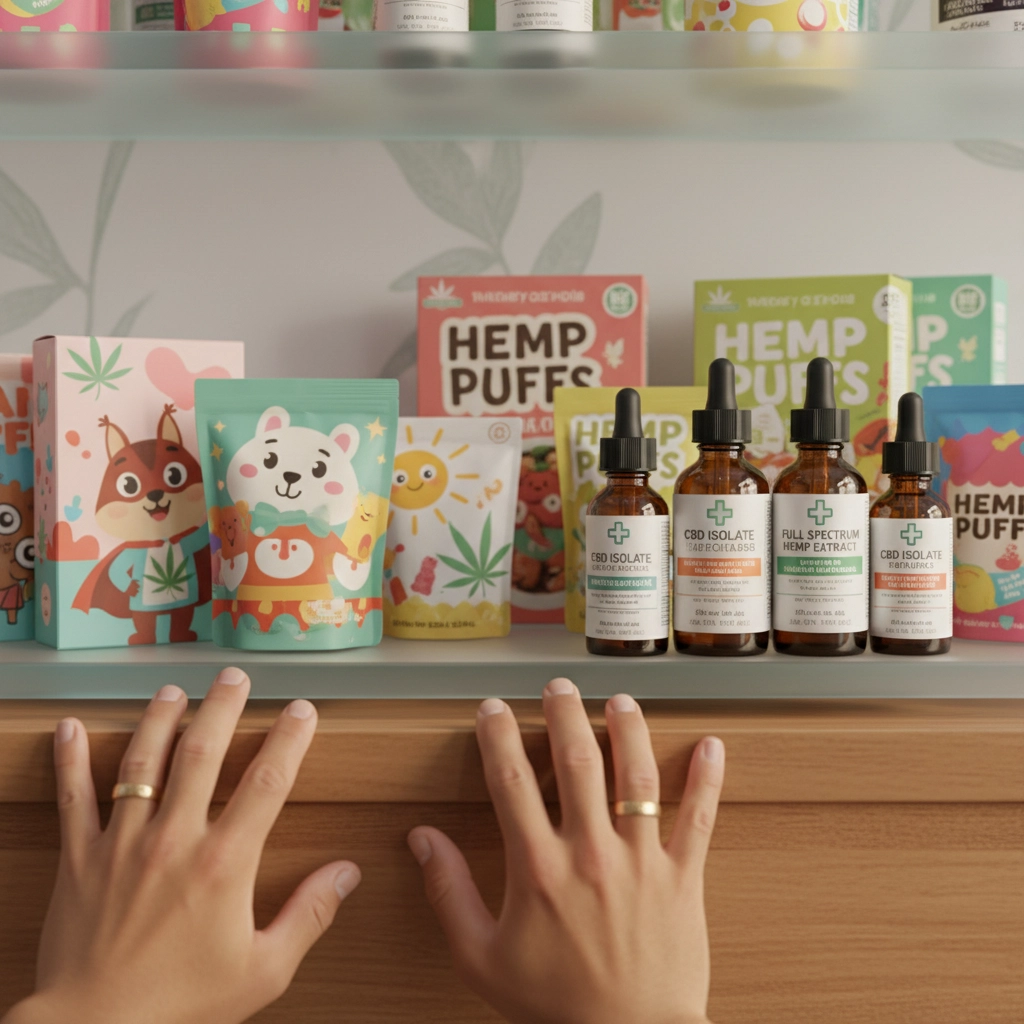
Even more concerning is the targeting of products toward children. The FDA has issued warnings about Delta-8 THC products packaged and marketed in ways that appeal to young consumers, including colorful packaging, cartoon characters, and names that mimic popular candy brands.
The problem extends beyond Delta-8 THC. Many businesses sell both hemp/CBD products and THC-containing products side by side, creating confusion that can lead to unintentional consumption of psychoactive substances. When product labeling is unclear or misleading, consumers can't make informed decisions about what they're purchasing.
The Animal Safety Connection You Need to Know
An often-overlooked aspect of hemp product safety involves products marketed for pets and farm animals. The FDA has issued warning letters to companies selling unapproved CBD products for animals, with particular concern about products intended for food-producing animals.
Why does this matter for human consumers? When CBD products are given to animals that enter the food supply: like cattle, pigs, or chickens: there's potential for CBD residues to contaminate meat, milk, and eggs. The FDA lacks sufficient data on residue formation and safe consumption levels, creating unknown risks for humans who consume these animal products.
This connection highlights how hemp product safety extends beyond direct consumption to potential indirect exposure through the food supply.
Understanding the Regulatory Gaps
Currently, a wide variety of hemp-derived products containing CBD, THC, or other cannabinoids are being sold despite not complying with FDA regulations. These products are available online and in retail stores across the country, yet federal enforcement has been minimal compared to the scope of non-compliance.
The regulatory landscape becomes even murkier when you consider that certain hemp products fall outside federal oversight entirely. Vape products and smokable hemp flower products like "buds" and pre-rolls aren't subject to FDA regulation under current law, meaning there's virtually no federal oversight of these products.
This patchwork of regulation creates confusion for consumers and inconsistent safety standards across different product categories. What's considered safe and legal in one category might be completely unregulated in another.
What These Warnings Mean for Your Safety
The FDA considers both Delta-8 THC and CBD to be unsafe food additives under current federal law, and the agency has stated it's unaware of any basis to conclude these substances are generally recognized as safe for food use. This position puts the entire hemp-derived product industry in a legal and safety gray area.
For consumers, this means exercising extreme caution when choosing hemp products. The lack of standardized testing, quality control, and regulatory oversight means you're essentially conducting your own safety experiment every time you try a new product.
Red Flags to Watch For
When evaluating hemp products, certain warning signs should make you think twice. Products that make medical claims, use terms like "FDA approved," or promise specific health benefits are likely non-compliant and potentially unsafe. Similarly, products with vague ingredient lists, missing contact information, or prices that seem too good to be true often indicate quality and safety issues.
Pay attention to packaging and marketing that seems designed to appeal to children or that downplays potential psychoactive effects. Reputable companies are transparent about their products' contents and potential effects.
Protecting Yourself in an Unregulated Market
While the regulatory environment remains uncertain, you can take steps to protect yourself. Research companies thoroughly before purchasing, looking for third-party lab testing results and clear ingredient disclosure. Avoid products that make medical claims or promise to treat specific conditions.
If you experience any adverse effects from hemp products, contact poison control at 1-800-222-1222 or seek immediate medical attention if symptoms are severe. Report your experience to healthcare providers and consider filing a complaint with the FDA.

Start with lower doses than recommended and pay attention to how your body responds. Remember that "natural" doesn't automatically mean safe, especially in an industry with limited quality control standards.
The hemp industry's rapid growth has outpaced safety regulations, creating risks that many consumers don't fully understand. While some products may offer benefits, the current lack of oversight means you need to be your own advocate when it comes to product safety. Stay informed about FDA warnings, research products thoroughly, and always prioritize your health over marketing claims.
As federal agencies work toward clearer regulations, the trend appears to be moving toward stricter oversight rather than relaxed standards. This suggests that many currently available products may not meet future safety requirements, making careful selection even more important for today's consumers.