 (+035) 527-1710-70
 google@gmail.com
 Choose an address


CBD has exploded in popularity over the past few years, with millions of people turning to cannabidiol for everything from sleep support to pain management. Yet despite widespread adoption, most users are making fundamental dosing mistakes that prevent them from experiencing CBD's full potential: and worse, they're often wasting their money in the process.
The truth is, CBD dosing isn't as simple as popping a pill or taking a dropper full of oil. Unlike traditional medications with standardized dosing guidelines, CBD requires a personalized approach that considers your unique body chemistry, lifestyle, and goals. Unfortunately, the lack of clear guidance has led to widespread confusion and costly errors.
If you've been disappointed with your CBD results, you're likely making one or more of these common mistakes. Let's dive into what's going wrong and how to fix it.
Mistake #1: Starting with the Wrong Dose
The biggest error we see is people beginning their CBD journey with either too much or too little, without any systematic approach. Many newcomers fall into one of two camps: they either take massive doses expecting immediate, dramatic results, or they take such small amounts that they experience no noticeable effects whatsoever.
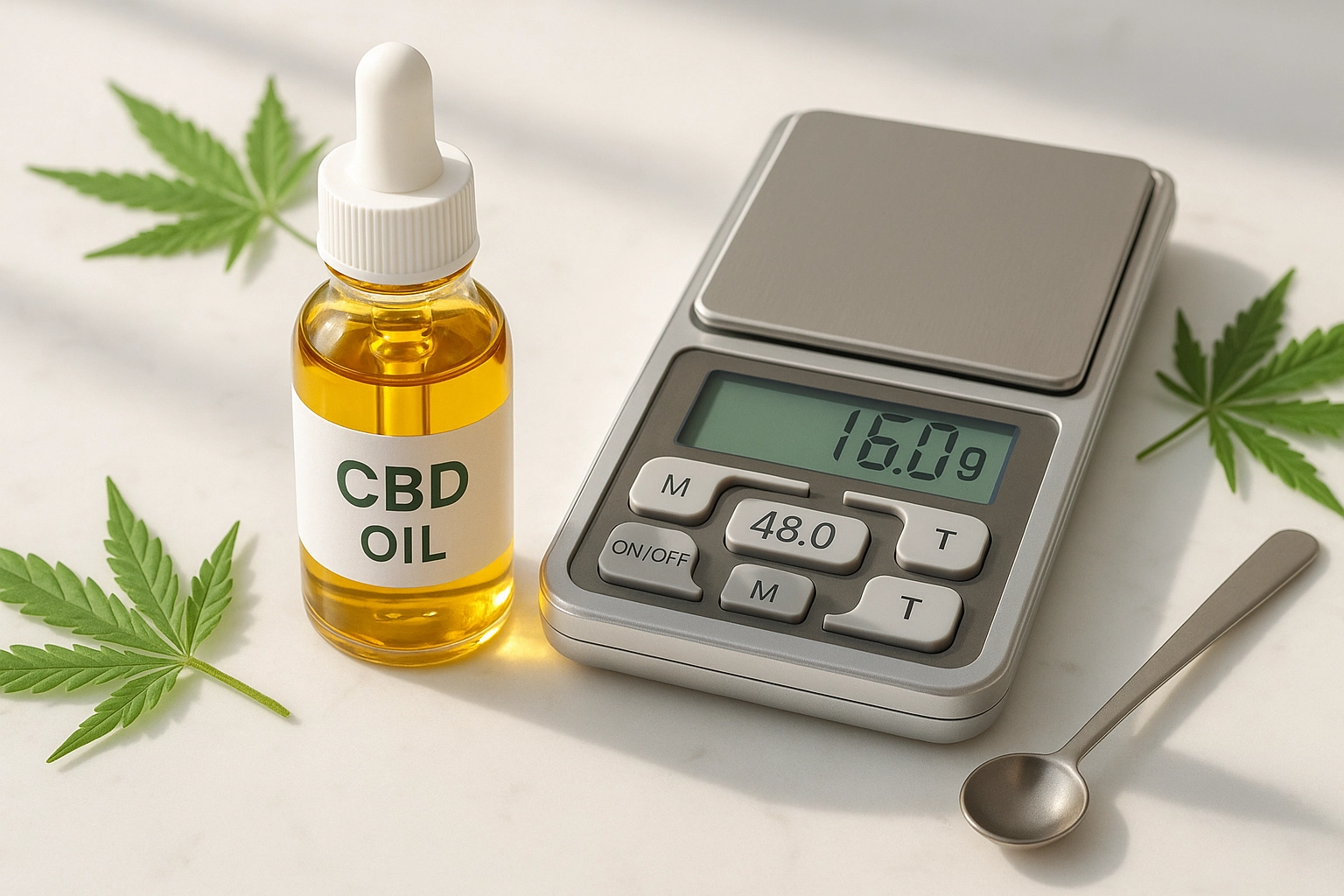
Both approaches set you up for failure. Taking too much too soon can lead to unwanted side effects like drowsiness, dry mouth, or digestive issues. On the flip side, taking insufficient doses creates the false impression that CBD "doesn't work" for you, leading many people to give up before finding their sweet spot.
The Solution: Start with a low dose of 5-10mg and maintain that amount for at least 3-5 days before making any adjustments. Most people find their optimal range falls between 15-50mg daily, but this varies significantly based on individual factors like body weight, metabolism, and the severity of symptoms you're addressing.
Mistake #2: Expecting Instant Results
Perhaps the most frustrating mistake is treating CBD like a conventional painkiller or sleep aid, expecting immediate relief within minutes or hours. This misconception stems from our familiarity with over-the-counter medications that provide quick fixes.
CBD works differently. It interacts with your body's endocannabinoid system, which regulates various physiological processes. This interaction often requires time to build up and create meaningful changes: sometimes days or even weeks for full effects to emerge.
The Reality Check: CBD is more like a vitamin than a drug. Consistency over time produces the best results. Many users report that their most significant improvements came after 2-4 weeks of regular use, not after their first dose.
Mistake #3: Inconsistent Dosing and Poor Tracking
Without consistency, it's impossible to determine what works and what doesn't. Many users take CBD sporadically: remembering some days, forgetting others, or constantly changing their dose based on how they feel in the moment.
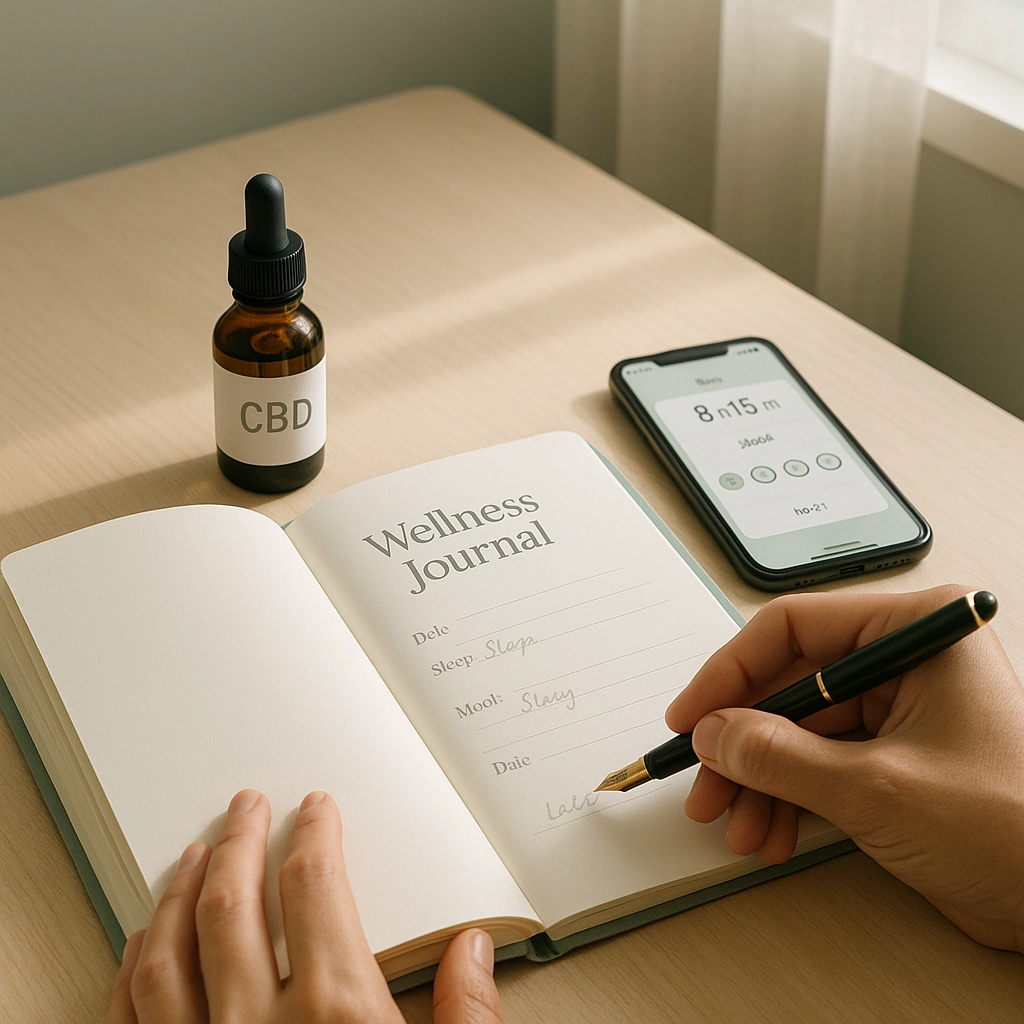
Equally problematic is the failure to track your experience. Without proper documentation, you can't identify patterns or make informed adjustments to your routine.
The Fix: Establish a consistent dosing schedule and stick to it. Whether you prefer morning, evening, or split doses throughout the day, consistency is key. Keep a simple CBD journal noting your dose, timing, product used, and how you felt throughout the day. This data becomes invaluable for optimizing your routine.
Mistake #4: Ignoring Product Differences
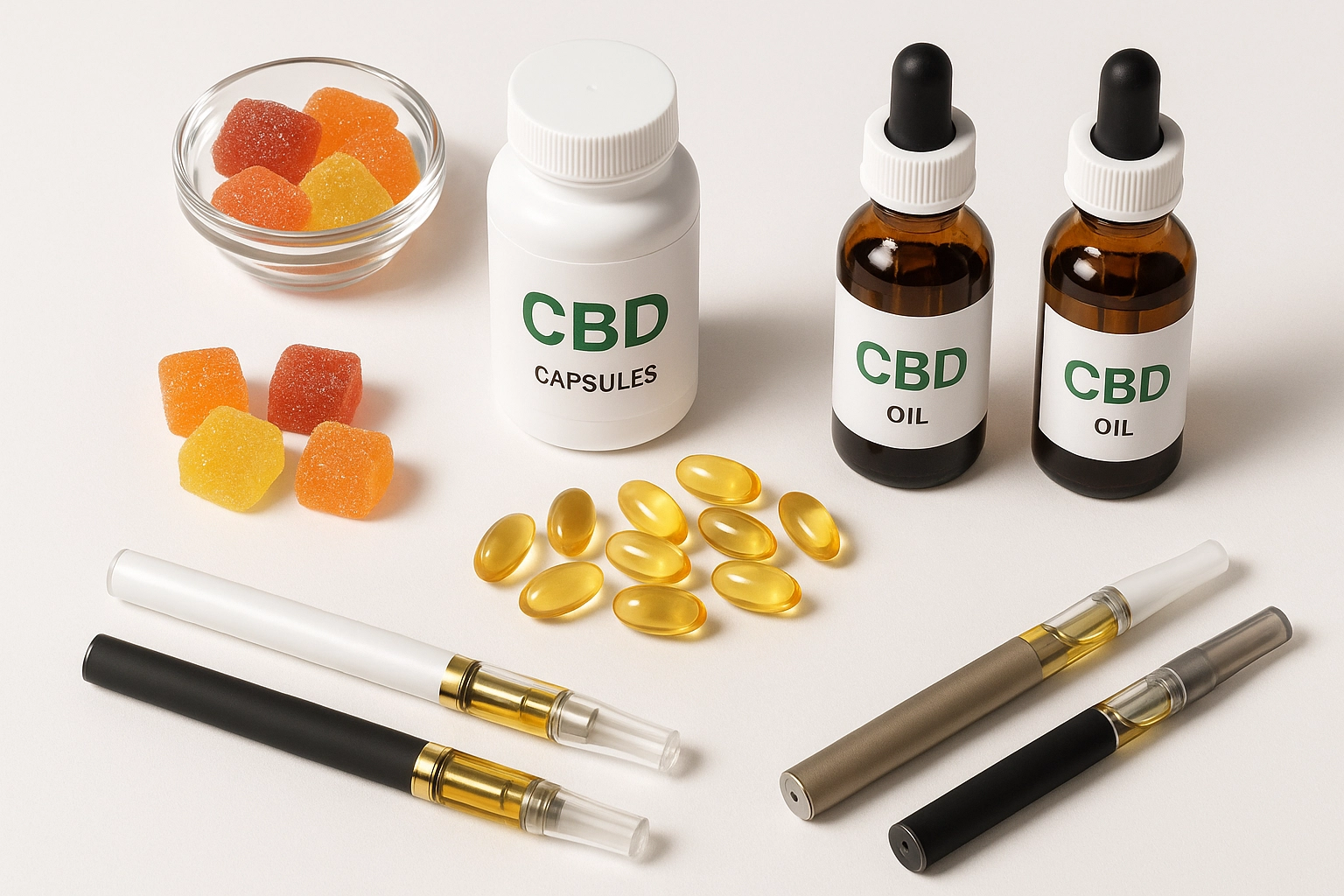
Not all CBD products are created equal, and different formats require different dosing strategies. The bioavailability: how much CBD actually reaches your bloodstream: varies dramatically between products.
Tinctures and vapes typically work faster (15-45 minutes) but have shorter durations. Gummies and capsules can take 1-2 hours to reach full effect but provide longer-lasting benefits. Yet many users switch between product types without adjusting their approach or recalculating their dosage needs.
Smart Strategy: Choose one product format and stick with it for at least a week before switching. If you do change formats, research the bioavailability differences and adjust your dose accordingly. Remember, 25mg in a gummy is not equivalent to 25mg in a tincture due to different absorption rates.
Mistake #5: Misreading Product Labels
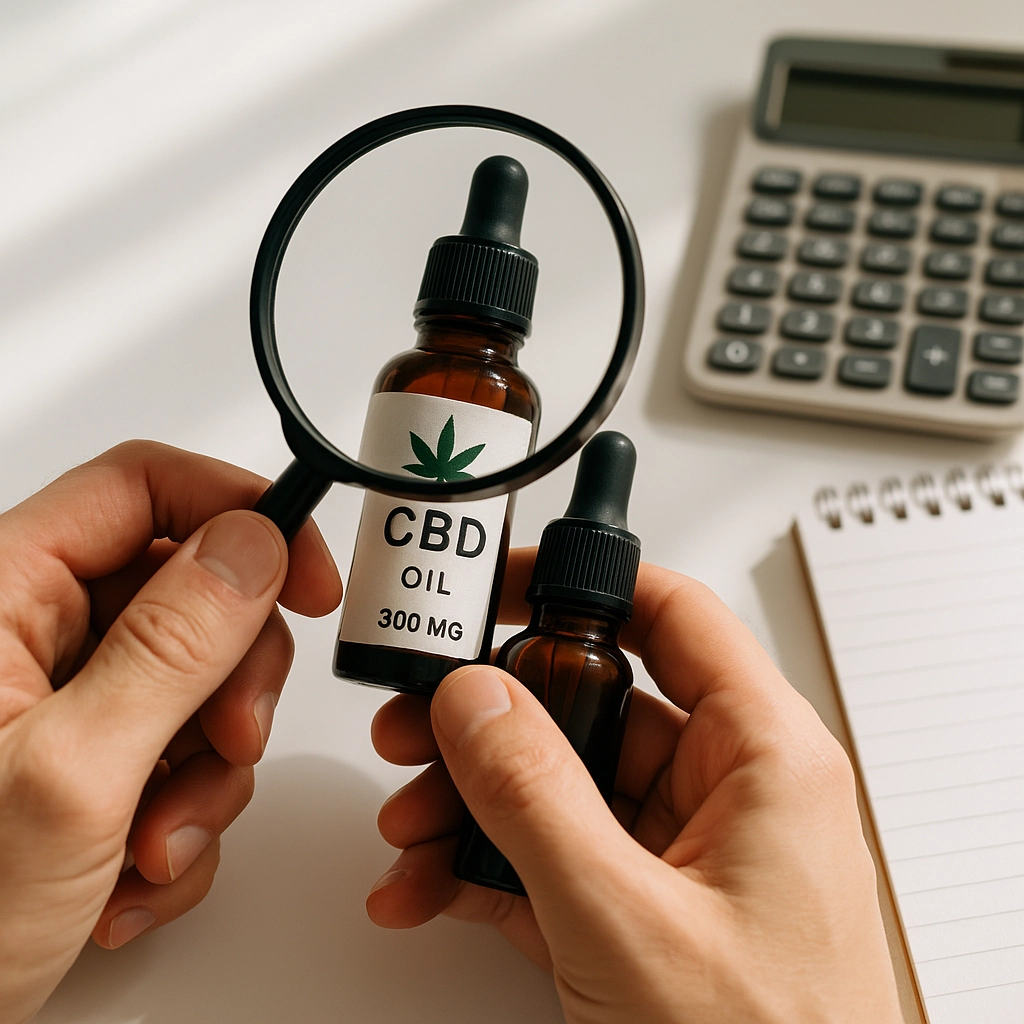
Product confusion is remarkably common, especially when it comes to understanding labels. Many users confuse the total CBD content in an entire bottle with the amount per serving, leading to significant dosing errors.
For example, a bottle might contain 1,000mg of total CBD but deliver only 33mg per dropper. Taking a full dropper thinking you're getting 1,000mg is a costly mistake that can lead to unwanted effects and rapid depletion of your product.
Label Reading 101: Always look for "CBD per serving" rather than total bottle content. Calculate your dose based on the serving size, not the total milligrams advertised on the front of the package.
Mistake #6: Using Multiple Products Simultaneously
In their eagerness to find relief, many beginners combine multiple CBD products: gummies, tinctures, and topicals: without accounting for cumulative dosing. This shotgun approach makes it impossible to determine which product is helping and can easily lead to taking more CBD than intended.
Better Approach: Start with one product and master that before adding others. If you do use multiple products, carefully track the total CBD content you're consuming daily. Remember that topicals generally don't contribute to your systemic CBD intake, but all ingestible products do add up.
Mistake #7: Overlooking Individual Factors
Your optimal CBD dose isn't just about the number on the bottle: it depends on numerous personal factors that many users ignore completely.
Body weight plays a role, but it's not the only consideration. Your metabolism, the severity of symptoms, overall health status, and individual body chemistry all influence how you respond to CBD. Additionally, factors like what you've eaten, your stress levels, and even the time of day can affect CBD's effectiveness.
Personal Optimization: Pay attention to how different factors affect your CBD experience. Some people find CBD more effective on an empty stomach, while others need food to avoid digestive upset. Some prefer morning doses for focus, while others find evening doses help with sleep. Your optimal routine is uniquely yours.
Getting Your Dosing Right: A Step-by-Step Approach
Here's a systematic approach to finding your ideal CBD dose:
Week 1: Start with 5-10mg daily at the same time each day. Document your experience in a simple journal.
Week 2: If you're not seeing desired effects, increase by 5mg. Maintain the new dose for the full week.
Week 3: Continue gradual increases in 5mg increments until you find your sweet spot: the lowest dose that provides your desired benefits.
Ongoing: Once you find your optimal dose, stick with it consistently. Your needs may change over time due to tolerance, life changes, or different health goals, so periodic reassessment is valuable.
Quality Matters More Than Quantity
Finally, remember that all CBD is not created equal. Higher doses of low-quality CBD won't outperform moderate doses of premium, third-party tested products. Invest in quality from reputable manufacturers who provide certificates of analysis showing exactly what's in their products.
The key to CBD success lies in patience, consistency, and careful attention to your body's unique response. Avoid these common mistakes, and you'll be well on your way to experiencing the full potential of high-quality CBD products.
What's been your biggest challenge with CBD dosing? Have you made any of these mistakes? We'd love to hear about your experience and help you optimize your routine in the comments below.