 (+035) 527-1710-70
 google@gmail.com
 Choose an address


The hemp industry landscape has shifted dramatically in 2025, with new regulations rolling out across multiple states that fundamentally change how CBD stores must operate. From enhanced licensing requirements to mandatory lab testing protocols, these changes represent the most significant regulatory overhaul since the 2018 Farm Bill legalized hemp cultivation.
For CBD store owners, staying compliant isn't just about avoiding penalties: it's about building consumer trust and positioning your business for long-term success in an increasingly regulated market. The regulatory changes we're seeing reflect growing consumer demand for safety, transparency, and quality assurance in hemp products.
Understanding these new requirements is crucial for maintaining your business operations and protecting your investment. Let's examine the five most critical compliance areas every CBD store owner needs to master in 2025.
1. State Licensing Systems Replace Simple Registration
The era of basic hemp business registration is ending. States are implementing comprehensive retail licensing systems that require detailed business plans, compliance protocols, and ongoing regulatory oversight.
Minnesota has led this transition, with their hemp business registration window closing on September 1, 2025. All CBD stores, convenience stores selling THC beverages, and any business offering hemp-derived cannabinoid products must now apply for official licenses through the Minnesota Office of Cannabis Management (OCM). The new licensing applications open in Fall 2025, with licenses expected to be issued in Fall/Winter 2025.
This trend is spreading rapidly to other states as regulators recognize the need for more robust oversight of hemp retail operations. The new licensing systems typically evaluate your business plan, financial stability, security measures, and compliance history before approval.
What this means for your store: Start preparing your licensing application materials now, including detailed standard operating procedures, security plans, and financial documentation. Research your state's specific requirements and deadlines to avoid being caught off-guard.

2. Universal Lab Testing Requirements for All Products
Gone are the days when only raw plant material needed testing. States like North Carolina now require regular lab testing for every hemp-derived product before it reaches consumers: including gummies, tinctures, topicals, and beverages.
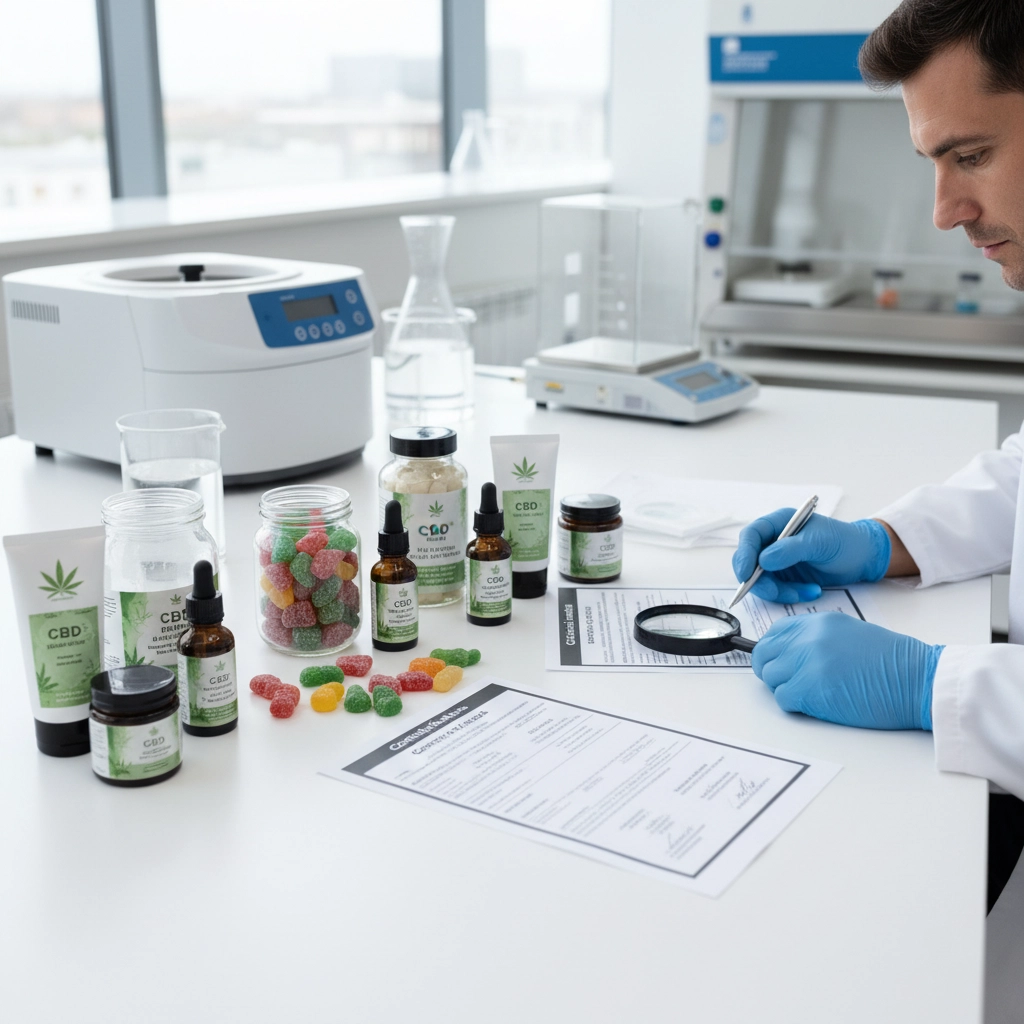
This means every batch of products in your store must have current Certificates of Analysis (COAs) from accredited, state-approved laboratories. The testing must verify THC levels, pesticide residues, heavy metals, and microbial contaminants.
The documentation requirements are extensive. You'll need to maintain:
- Purchase records for all raw materials and finished products
- Lab test results for every product batch
- COAs for all finished products
- Comprehensive inventory logs with dates of manufacture and expiration
- Chain of custody documentation
What this means for your store: Establish relationships with multiple accredited testing laboratories to ensure consistent product availability. Implement digital tracking systems to manage the increased documentation burden efficiently.
3. Enhanced THC Monitoring and Synthetic Cannabinoid Restrictions
While the federal 0.3% delta-9 THC limit remains standard, states are adding new layers of complexity to THC compliance. Texas is developing regulations that focus on product potency limits and restrict synthetically modified compounds, with synthetic cannabinoids like delta-8 THC facing increased scrutiny.
The regulatory framework includes mandatory product testing with clear potency limits that must be displayed to consumers. Some states are implementing total THC calculations that include all THC isomers, not just delta-9 THC.
Product labeling requirements now demand transparent information including:
- Accurate potency levels for all cannabinoids
- Complete ingredient lists
- Clear dosage guidelines
- Batch numbers and testing dates
- Manufacturing and expiration dates
What this means for your store: Audit your entire product inventory to ensure compliance with both current and emerging potency restrictions. Work with suppliers who can provide detailed documentation for all synthetic and naturally derived cannabinoids in their products.
4. Strict Age Verification and Consumer Protection Measures
New regulations are establishing comprehensive consumer protection standards that go far beyond simple age checks. Texas's proposed framework requires THC product sales only to people 21 years or older, with child-resistant packaging mandatory for all hemp products.
Marketing restrictions now prohibit targeting hemp products toward children, and many states are implementing restricted sales hours for hemp retailers. Point-of-sale systems must include robust age verification protocols, and staff training requirements have expanded significantly.
Additional consumer protection measures include:
- Mandatory child-resistant packaging for all products containing cannabinoids
- Clear warning labels about potential side effects
- Restrictions on product placement and advertising
- Enhanced record-keeping for all customer transactions
- Regular staff training on responsible sales practices
What this means for your store: Update your point-of-sale systems, retrain all staff on enhanced age verification procedures, and review your product display methods to ensure compliance with new consumer protection standards.
5. Federal Legislation Threatening Current Product Categories
The most significant long-term threat comes from proposed federal legislation that could fundamentally reshape the hemp industry. A provision in the Fiscal Year 2026 Agriculture Appropriations Bill would close the "hemp loophole" by changing the 0.3% THC limit to include total THC concentration.
This change would encompass all THC isomers and tetrahydrocannabinolic acid (THCA), meaning virtually all hemp-based cannabinoid products currently on the market could be federally banned. Even products marketed as non-intoxicating often contain trace amounts of various THC compounds when measured collectively.
The implications are far-reaching:
- Most current hemp-derived products would exceed the new total THC limit
- Product reformulation would be necessary across the industry
- Supply chains would need complete restructuring
- Investment in current inventory could be at risk
What this means for your store: Monitor federal legislation developments closely and maintain flexibility in your product portfolio. Consider diversifying into CBD isolate products and other offerings that would remain compliant under stricter federal standards.
Immediate Action Steps for Compliance
To navigate these regulatory changes successfully, CBD store owners should take these immediate steps:
Conduct a comprehensive compliance audit of your current operations, including licensing status, product testing documentation, and consumer protection measures. Identify gaps between your current practices and new regulatory requirements.
Establish relationships with accredited testing laboratories in your state to ensure consistent product availability and testing turnaround times. Having multiple laboratory partners prevents supply chain disruptions.
Implement robust documentation systems using digital platforms designed for cannabis compliance. These systems help manage the increased record-keeping requirements efficiently and reduce the risk of compliance violations.
Update staff training programs to cover enhanced age verification procedures, product knowledge requirements, and responsible sales practices. Regular training sessions ensure your team stays current with evolving regulations.
Create flexible product sourcing strategies that can adapt to changing regulations. Work with suppliers who provide comprehensive documentation and can adjust their offerings as compliance requirements evolve.
The regulatory landscape for CBD stores is becoming increasingly complex, but businesses that proactively address these compliance requirements position themselves for success in the evolving hemp market. By staying informed, implementing robust compliance systems, and maintaining flexibility in your operations, you can navigate these changes successfully while building consumer trust and protecting your business investment.
Remember to check with your state regulators regularly for updates, as hemp laws continue to evolve rapidly throughout 2025. The businesses that thrive will be those that view compliance not as a burden, but as a competitive advantage in building customer confidence and market position.